If you're still running image-only Facebook and Instagram ads for your dental practice, you're leaving money on the table. Dental video ads consistently outperform static images by a wide margin — and the gap is getting wider. Here's the data, the psychology, and a practical guide to making video work for your practice without breaking the bank.
Let's start with the numbers. Across our dental client accounts, we've run thousands of ad sets comparing video and image creative head-to-head. The results are consistent:
Meta's own algorithm also favors video content. The platform wants to keep people on-screen longer, and video does that. Facebook and Instagram reward video creators with lower CPMs (cost per 1,000 impressions), which means your dollar goes further before a single person clicks.
The performance gap isn't random. It's rooted in human psychology, and it's especially powerful in dentistry where trust is everything.
Dental anxiety affects an estimated 36% of the population. These patients need to feel safe before they'll pick up the phone. Seeing a dentist speak on camera — hearing their voice, watching their mannerisms, seeing them interact with staff — builds a parasocial relationship that no stock photo can replicate. By the time they walk into your office, they feel like they already know you.
Video triggers emotional responses that images simply cannot. A patient testimonial where someone talks about how getting their smile back changed their confidence creates an emotional reaction in the viewer. That emotion drives action. A static before-and-after photo tells a story, but a video of that same patient telling their own story hits on a completely different level.
A 60-second video conveys more information than an image ever could. You can explain a procedure, showcase the office environment, introduce the team, and make an offer — all in one minute. With an image ad, you're limited to a headline, a few lines of text, and a single visual. Video is the most efficient way to communicate the value of your practice to a cold audience.
Social media feeds are a wall of static images. Video, especially with movement in the first frame, breaks the pattern and captures attention. The first three seconds of your video determine whether someone watches or scrolls past. Motion, color changes, and human faces in those opening frames dramatically increase stop rates.
Not all dental videos perform equally. Here are the five formats we've tested extensively and ranked by performance:
Performance rating: ★★★★★
The single most effective video format for dental advertising. A real patient sitting in or near your office, talking about their experience in their own words. Keep it to 45–90 seconds. The key is authenticity — scripted testimonials feel fake. Coach the patient with 2–3 questions and let them talk naturally. Focus on the emotional transformation, not just the clinical result.
Performance rating: ★★★★★
The dentist speaking directly to camera, introducing themselves and their philosophy. This format works exceptionally well as a top-of-funnel awareness ad. Keep it warm and conversational. Talk about why you became a dentist, what makes your practice different, and what new patients can expect. Sixty seconds is ideal. Smile. Look at the camera. Be human.
Performance rating: ★★★★
A quick walkthrough of your office showing the waiting area, treatment rooms, and technology. This works especially well for patients with dental anxiety — they want to see the environment before visiting. Keep it under 60 seconds. Show the warm, welcoming parts first (reception, waiting area) before showing any clinical spaces. Natural light and clean spaces make a huge difference.
Performance rating: ★★★★
A slideshow or reveal video showing dramatic results from cosmetic procedures — veneers, Invisalign, whitening, smile makeovers. These generate massive engagement and shares. The reveal moment is key: build anticipation, then show the result. Add the patient's reaction if possible. Always get written consent before using patient images or video in advertising.
Performance rating: ★★★
Short videos explaining procedures, addressing common questions, or debunking myths. Topics like "What actually happens during a root canal" or "3 signs you need to see a dentist this week" perform well as engagement content. These build authority and feed your retargeting audiences. They're less effective as direct-response ads but excellent for warming up cold audiences.
The biggest misconception about dental video ads is that they need to look like TV commercials. They don't. In fact, overly polished videos often perform worse than authentic, slightly raw content. Here's how to produce effective dental videos:
Natural window light or a simple ring light is all you need. Position the subject facing the light source. Avoid overhead fluorescent lighting — it makes everyone look tired and washes out skin tones. A $30 ring light from Amazon will dramatically improve your video quality.
Audio quality matters more than video quality. Viewers will tolerate a slightly grainy video but will immediately click away from bad audio. Use a lavalier microphone ($20–$50) clipped to the speaker's collar. Record in a quiet space — turn off the HVAC if possible during filming.
Shoot in vertical (9:16) format for Facebook and Instagram Reels and Stories. For feed ads, 4:5 vertical performs best. Frame the subject from the chest up with their eyes in the upper third of the frame. Keep the background clean and uncluttered — your office is ideal if it looks modern and welcoming.
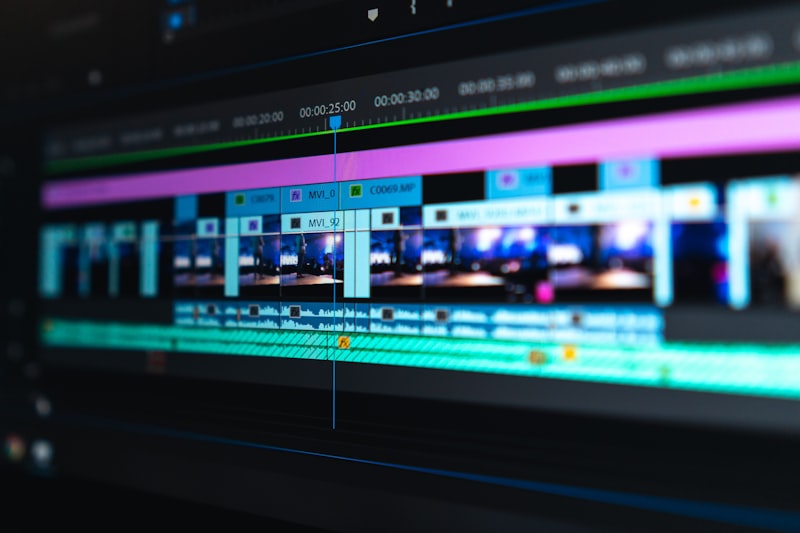
85% of Facebook video is watched without sound. Always add captions. Use bold, readable fonts with a semi-transparent background so they're legible on any device. Most editing tools (CapCut, Descript, Premiere Pro) auto-generate captions that you can quickly edit for accuracy.
For direct-response ads: 30–90 seconds. Get to the point fast. Hook in the first 3 seconds, deliver the message, and end with a clear call-to-action. For brand awareness and retargeting: 60–180 seconds is fine. Longer content works when the audience already knows you.
Video production costs for dental practices vary dramatically based on your approach:
Cost: $50–$200 total (one-time equipment purchase)
Modern smartphones shoot incredible video. A ring light, lavalier mic, and small tripod are all you need. This approach is perfect for doctor intro videos, quick testimonials, and office tour content. The trade-off is your time — expect to spend 2–3 hours per video including editing.
Cost: $500–$1,500 per half-day shoot
A local videographer can come to your office for half a day and produce 4–8 edited videos. This is the sweet spot for most practices — professional quality at a reasonable cost. You'll get better lighting, composition, and editing than DIY, and the videographer handles all the technical details.
Cost: $2,000–$5,000 per shoot
This is what we offer through our video ad production service. It includes scripting, direction, filming, editing, caption overlays, and format optimization for every Meta placement. We typically produce 8–12 unique video assets per shoot, which gives you enough creative for 2–3 months of ad campaigns.
You don't need to wait for a production company. Start producing video content this week with these steps:
Neither is anyone the first time. The good news: your audience doesn't expect you to be a TV anchor. They expect you to be a warm, knowledgeable dentist. Imperfection is actually an asset — it reads as authenticity. Do three takes of any video and you'll be surprised how natural the third one feels.
Wrong. In our experience, roughly 1 in 3 patients say yes when asked politely after a positive appointment. You only need one good testimonial per month to fuel your ad campaigns. Over a year, that's 12 unique patient videos — more than enough variety.
A smartphone video that costs you nothing to produce will still outperform a $500 stock photo ad. The barrier to entry has never been lower. And when you compare the cost of production to the 40–60% reduction in cost per lead, video pays for itself in the first week of running.
Filming one 60-second testimonial takes less time than a hygiene recall phone call. Block 30 minutes per week for video content and you'll have more creative than you know what to do with. Alternatively, hire a videographer for a half-day shoot every quarter and batch-produce months' worth of content.
Dental video ads aren't a nice-to-have anymore — they're the standard. Practices that embrace video are paying less per lead, attracting higher-quality patients, and building stronger brands in their communities. Those still relying on image-only ads are competing with one hand tied behind their back.
The good news: most of your competitors haven't made the switch yet. Every day you start producing video content is a day you're building an advantage that compounds over time.
If you want a team that handles everything — scripting, filming, editing, and ad management — check out our video ad production service. We'll come to your office, produce a library of high-performing video assets, and run them as optimized campaigns that fill your schedule.
Budget ranges, ROI expectations, and South Florida benchmarks for dental ad spend.
Every channel, every tactic, every budget range — the definitive guide for South Florida practices.
We take on 1 new practice per month. See if your area is open.
Check Availability →Privacy Policy | Terms of Service