
Written by Collin Matheny · June 6, 2026 · 8 min read
The 5 Things I Check First When I Audit a Dental Practice's Marketing
When I audit a dental practice's marketing, these are the first five things I check to see where patient interest or ad budget may be getting lost.
When a practice asks me to review its marketing, I do not start by pitching new ads. I first look for problems in the tracking, inquiry response, creative, website path, and local presence. Here are the five checks I run in order.
1. Is the tracking actually working?
The very first thing I look at is whether anything is being measured at all. Is there a Meta Pixel installed and firing? Is it set up with server-side tracking, or is it an old browser-only install that is missing half the leads? Is there any way to tell which ad or channel a new patient came from?
You would be surprised how often the answer is no. And if you cannot measure it, you cannot improve it, and you are almost certainly wasting money you cannot even see. This is always step one, because everything else depends on having real numbers.
2. How fast do they answer a new lead?
Next I check response time. With permission, I use a clearly labeled test submission to confirm where the request arrives and how the practice handles it. A delayed or missed reply can waste patient interest the ad already paid to create. Speed to lead is often worth improving before the practice adds more lead volume.
3. What does the ad creative actually look like?
Then I look at the ads themselves, if there are any. Does the message fit the treatment and explain a clear next step? The campaign creative can use suitable practice-approved materials, properly licensed supporting visuals or new footage. An on-site shoot is optional. What matters is honest, useful creative and evidence from the campaign, not assuming one format always wins.
4. Where does the click actually go?
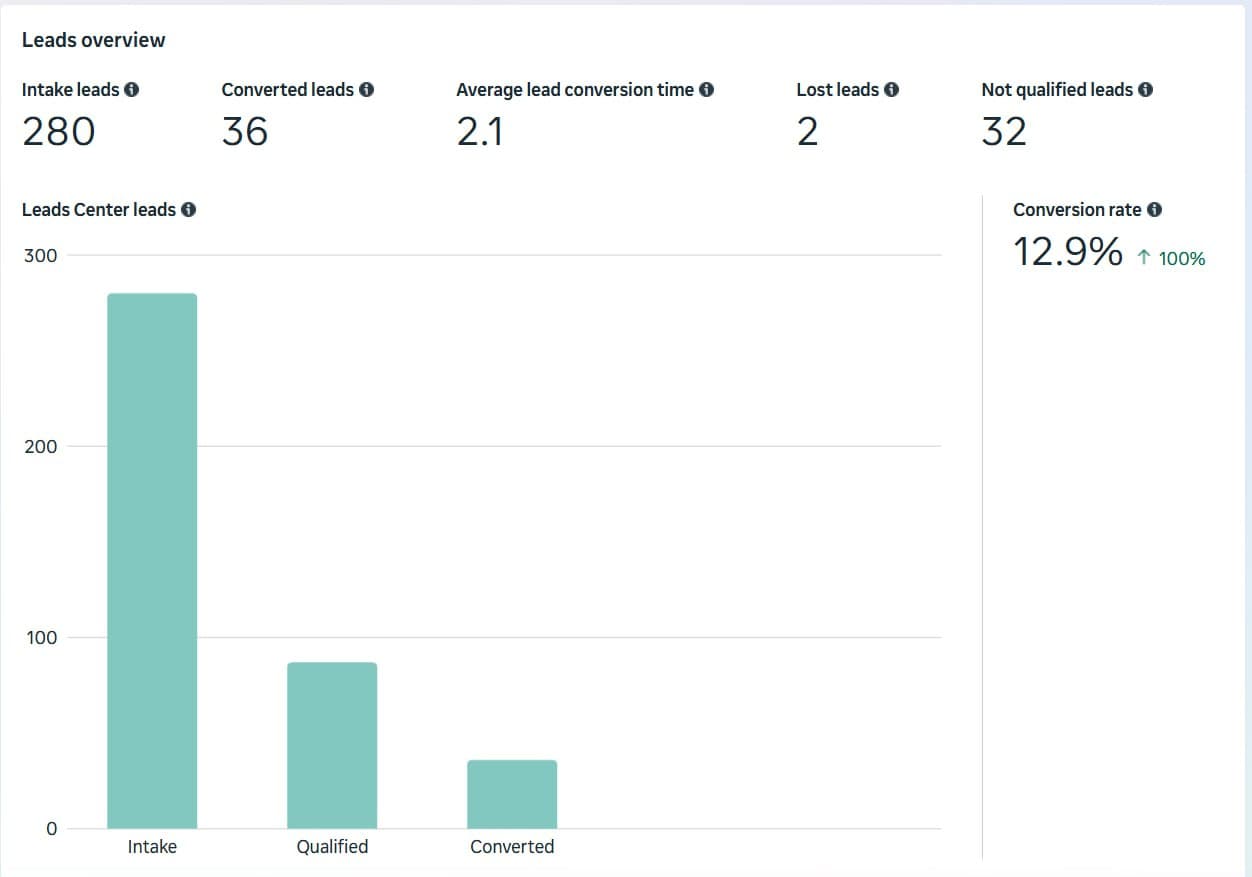
I follow the path a patient takes after they click. Does the ad send them to a fast, focused landing page that explains the offer and next step, or does it send them to a slow, cluttered homepage where they have to work it out? A practice can pay for a good click and still lose the inquiry if the next page is confusing.
5. How is their local presence and reviews?
Finally I check the free foundation: the Google Business Profile and local search presence. Is the profile complete? Are there recent reviews, or did they stop two years ago? Does the practice show up in the map pack for its own town? These local results can put the practice in front of people who are actively comparing nearby care.
Why I look here first
None of these five checks begins with spending more. First, make sure the tracking can show what happened. Confirm that someone owns the reply. Give the ads real creative to test. Make the page and next step clear. Keep the local practice information current. Then the owner can decide whether more budget is justified.
These are the same checks I use in a free practice teardown. I will tell you what I can verify, what I cannot see from the outside, and which fixes the team may be able to handle on its own.
Want me to run these five checks on your practice? Send me your details and I will take a real look and tell you straight what I find.
Want help bringing in more of the right patients?
We manage Facebook and Instagram ads remotely for dental and orthodontic practices across the US. Pick a time or send your practice details to talk through what you want to grow. On-site filming is an optional premium add-on, not something you need to book before we can help.
Not ready to talk? Find your first patient-growth opportunity with the free checkup.