
Written by Collin Matheny · June 18, 2026 · 7 min read
What the Meta Pixel Does for a Dental Practice
The Meta Pixel connects Facebook and Instagram ads to actions on your site. Here is what it tracks, what it cannot show by itself, and why the setup matters.

If a practice runs Facebook or Instagram ads without a working Meta Pixel, it loses an important part of the measurement. Here is what the pixel does and why I check it before judging a campaign.
What the pixel actually is
The Meta Pixel is a small piece of code on your website. It records configured browser events, such as page views and form completions, subject to the visitor's settings and the site's consent setup. It helps connect your ads to actions people take after clicking them.
Without those events, Meta can still show the ads, but it has less information about which clicks became website leads. That creates two practical problems.
Problem one: Meta receives less feedback
Meta's delivery system uses conversion events as feedback. When the pixel records a completed form, the platform can use that event while deciding where to deliver the campaign. The signal becomes more useful when the event is accurate and happens often enough.
Without a working pixel, Meta does not receive that browser event. The campaign then has less conversion data to learn from, and you have less evidence for deciding what to change.
Problem two: you cannot see what works
The pixel also helps answer basic reporting questions. Which ad was associated with the form completion? What did that inquiry cost? Is the campaign creating website actions or only spending? The pixel is not a full patient record, but without it the website portion of the path is harder to see.
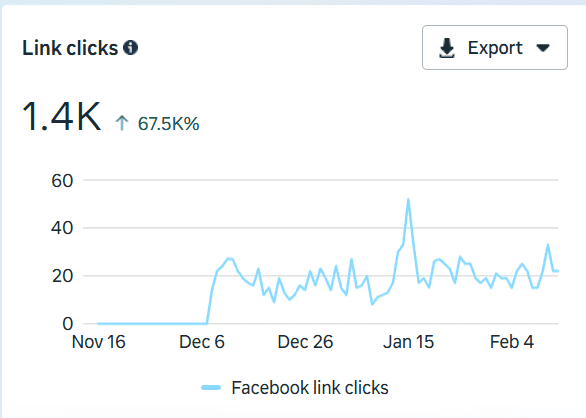
This is the same reason I insist on proper tracking from day one for every practice. If you cannot measure it, you cannot improve it, and you certainly cannot know whether it is worth the money. Every system I build starts with tracking wired up correctly, including the pixel and server-side tracking that catches conversions the browser misses.
It can also support retargeting audiences
Once the pixel has collected enough eligible data, it can support audiences based on website activity and help create audiences similar to recorded converters. Those options still depend on platform rules, privacy settings, consent, and enough usable event volume.
The catch: tracking got harder, so do it right
Browser privacy changes, especially on Apple devices, have made browser-only tracking less complete. A current setup can also use server-side event tracking, with deduplication and the right consent controls, to improve measurement. If the pixel was installed years ago and never checked, test it before trusting the report.
The bottom line
For campaigns that send people to a website, the pixel is a basic part of the measurement setup. It gives Meta conversion feedback and gives the practice a clearer view of website activity tied to the ads. If you are not sure it is working, test it before increasing the budget.
Not sure what you have? Send me your practice details and checking your tracking is one of the first things I do in a free audit.
Want help bringing in more of the right patients?
We manage Facebook and Instagram ads remotely for dental and orthodontic practices across the US. Pick a time or send your practice details to talk through what you want to grow. On-site filming is an optional premium add-on, not something you need to book before we can help.
Not ready to talk? Find your first patient-growth opportunity with the free checkup.